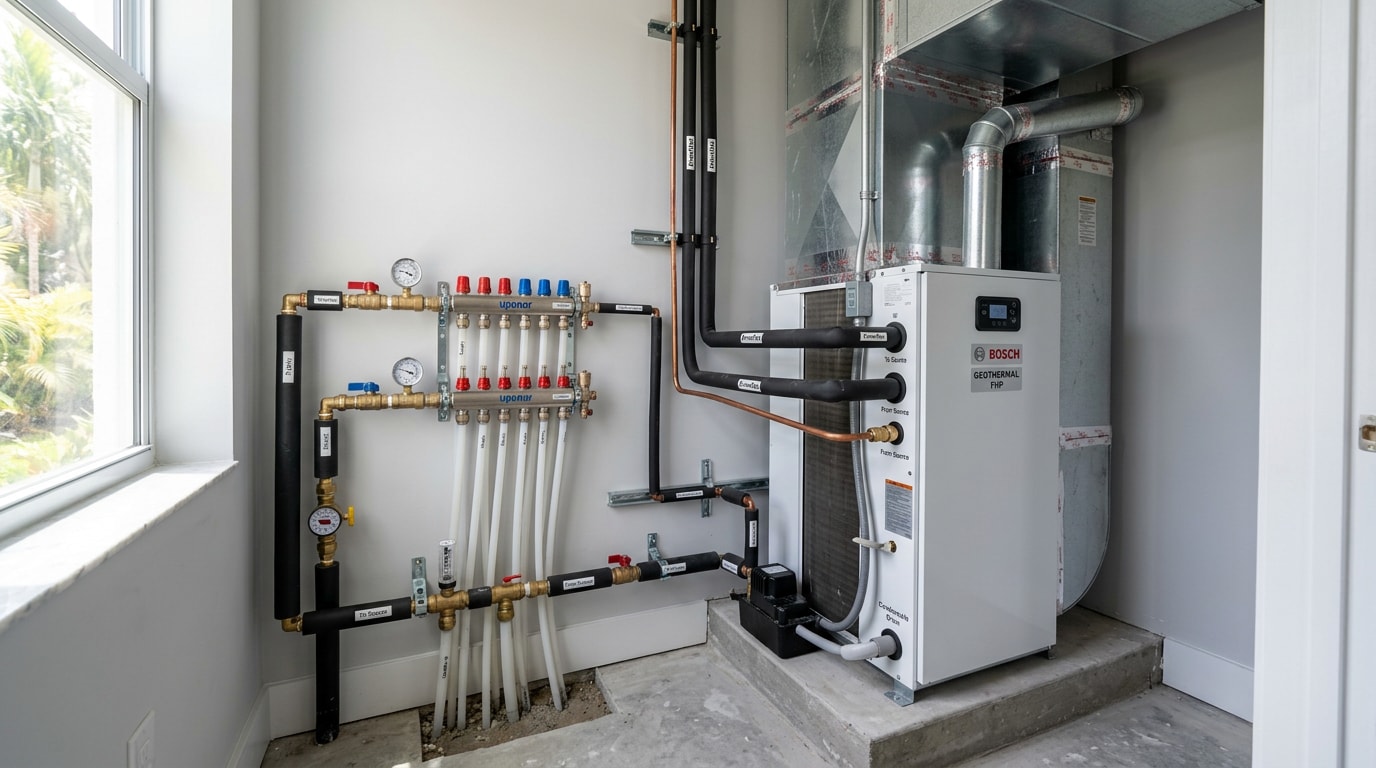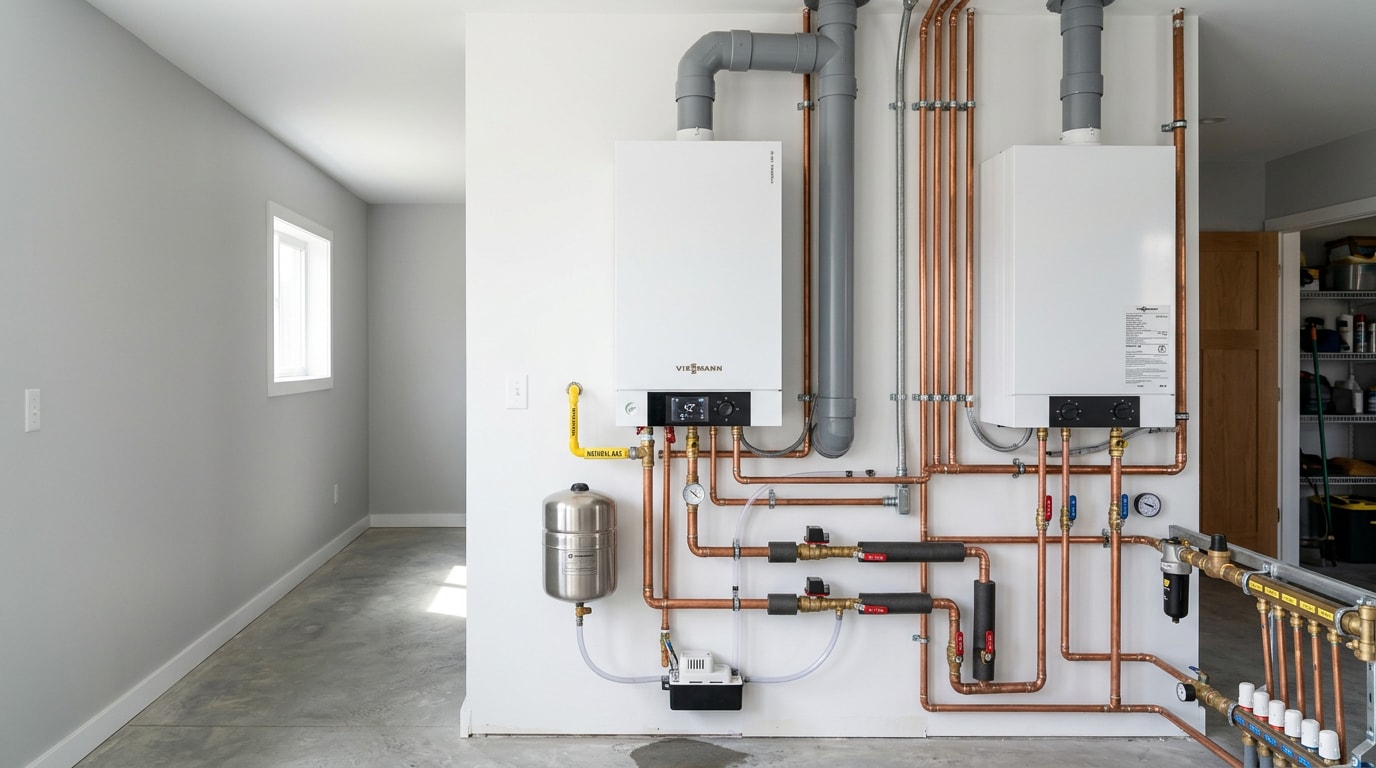
The boiler price in Homestead, FL typically lands between $3,500 and $9,500 installed, with most homeowners spending around $5,800 for a mid-range unit. That range covers equipment, labor, and a standard installation, but your actual number depends on size, fuel type, and what's already in place at the property. Here's how those variables actually play out in a subtropical market like Homestead.
How Much Does Boiler Installation Cost in Homestead, FL?
Installed boiler costs in Homestead generally run $3,500 to $9,500, with high-efficiency or larger commercial units pushing past $12,000. That's the headline number most national cost guides quote, but Homestead's subtropical climate changes what that number actually buys you.
In most of the country, a boiler heats the whole house through radiators or in-floor piping. In South Florida, that scenario is rare. Homestead's mild winters mean boilers here are far more likely installed for pool and spa heating, domestic hot water production, or light commercial applications, think restaurants, laundromats, or multi-unit properties needing consistent hot water.
That shift matters because it changes sizing. A pool-heater boiler or hot-water-only system is often smaller and less expensive than a whole-home heating boiler sized for a cold climate. The national cost guides you'll find online often assume full-house hydronic heating loads that simply don't apply down here, so treat those averages as a starting point, not a quote.
Our technicians handle both sides of this market: residential pool-heating boilers and small commercial hot-water systems for properties like laundromats and multi-unit buildings. If your project falls into the commercial category, our commercial mechanical construction team scopes those jobs differently than a standard residential swap. For single-family homes, our residential mechanical installation crews handle sizing, permitting, and setup.
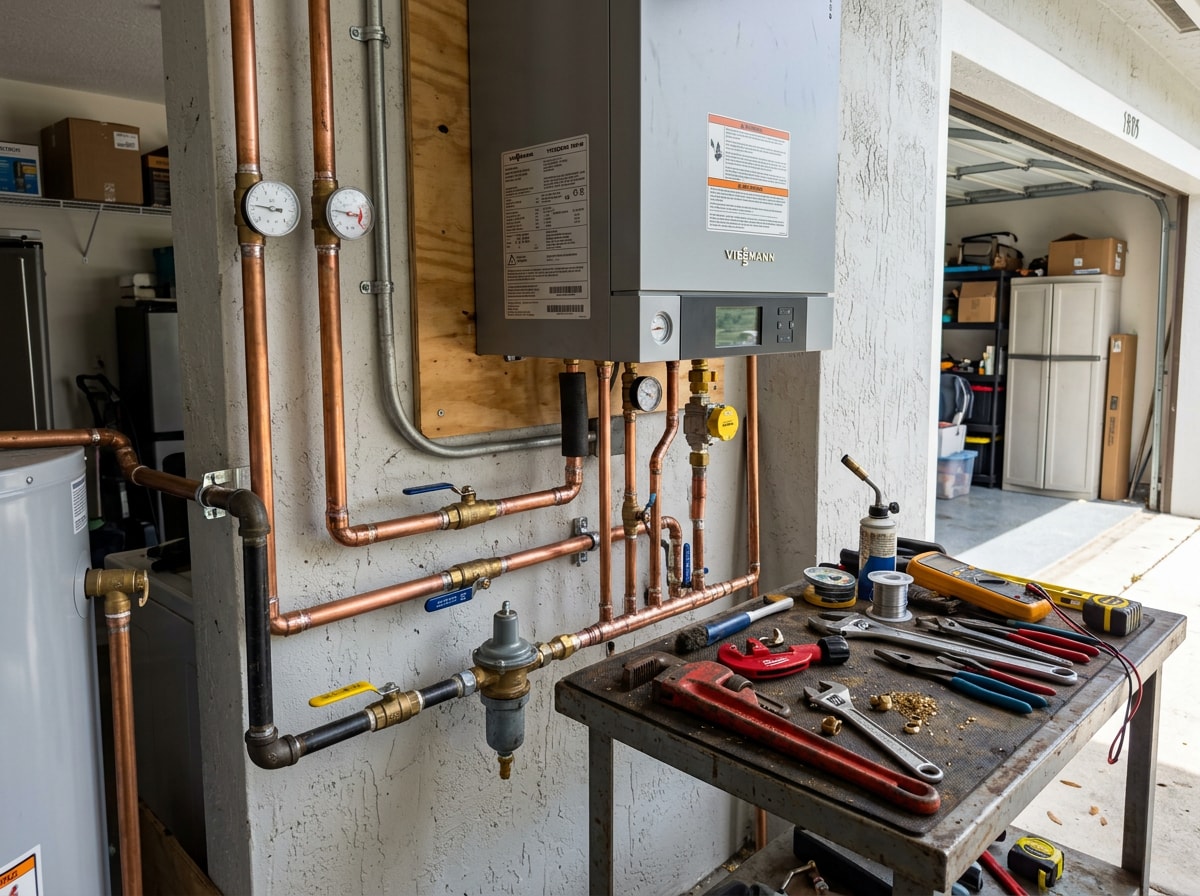
Want a number specific to your property instead of a range? Get a free estimate before you commit to a system size or fuel type.
Boiler Installation Cost by Home Size
Boiler pricing scales with the square footage or pool/spa volume it needs to serve, measured in BTUs (British thermal units) per hour. Rather than assuming a cold-climate heating load, a Homestead installer will size the unit based on your pool volume, hot water demand, or building square footage to avoid over- or under-sizing.
| Home/Pool Size | Approx. BTU Output | Installed Price Range |
|---|---|---|
| Small pool or condo unit | 50,000–100,000 BTU | $3,500–$5,500 |
| Mid-size home or pool | 100,000–175,000 BTU | $5,500–$7,500 |
| Large home or commercial pool | 175,000–300,000+ BTU | $7,500–$12,000+ |
These figures are a starting point, not a quote. An oversized unit wastes fuel, while an undersized one struggles to keep up with demand. For local scheduling and service specific to your neighborhood, check the Homestead, FL service area page.
Boiler Cost by Fuel Type
Fuel type is one of the biggest swing factors in both upfront cost and long-term operating expense. For South Florida properties, the choice almost always comes down to gas versus electric, since geothermal and oil systems are rarely used here. Each has trade-offs worth weighing before you commit.
Gas Boiler Cost
Natural gas or propane boilers typically install for $4,000 to $8,500, with the spread driven mainly by AFUE (annual fuel utilization efficiency) rating and venting requirements. Higher-efficiency condensing units cost more upfront but burn less fuel per BTU delivered.
Homes without existing gas lines face added cost for new gas piping, which can offset some of the fuel savings. ENERGY STAR-certified gas boilers carry AFUE ratings of 90% or higher and can save roughly $780 over the life of the unit compared to a minimum-efficiency model, according to the EPA's ENERGY STAR boiler buying guidance.
Electric Boiler Cost
Electric boilers generally run $3,000 to $6,500 installed, often less than gas because there's no venting or flue system to install. They're a practical fit for Homestead properties without existing natural gas service, or for smaller pool-heating and hot-water-only applications.
The trade-off is operating cost. Electricity rates in South Florida typically make electric boilers more expensive to run than gas over time, even though installation is usually simpler and faster. For low-usage or backup systems, the lower install cost can still make sense.
Boiler Cost by Type (System)
Beyond fuel, the system design itself affects price. Boiler types generally split into standard models, combi boilers that combine heating and hot water in one unit, and high-efficiency condensing systems built to squeeze more heat out of every unit of fuel.
Combi Boiler Installation Cost
A combi boiler combines space/water heating and domestic hot water production into a single compact unit, skipping the need for a separate storage tank. Installed cost typically runs $3,500 to $7,000, making it a popular choice for smaller properties or condos with limited mechanical space.
Combi pricing tends to land lower than a tank-based system of similar output, since you're installing one appliance instead of two. The trade-off: very high simultaneous hot-water demand, like multiple bathrooms running at once, can strain a combi system more than a tank-based setup.
High-Efficiency Boiler Prices
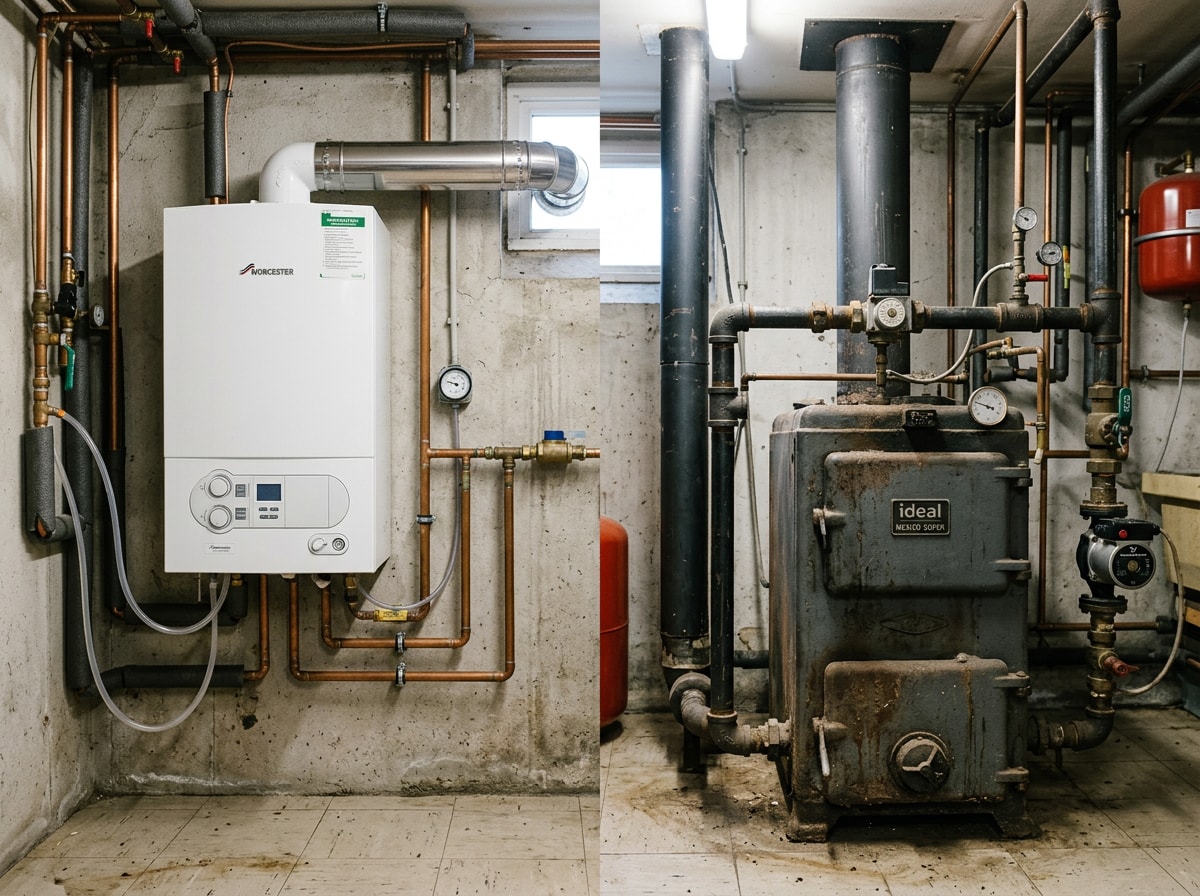
High-efficiency and condensing boilers typically cost $6,000 to $12,000 installed, a premium of $1,500 to $4,000 over standard models. The extra upfront cost buys meaningfully lower fuel bills, since condensing units recover heat from exhaust gases that standard boilers simply vent outside.
That premium is often worth it on paper. The U.S. Department of Energy's Federal Energy Management Program models a residential gas boiler at 0.97 AFUE saving about $1,824 over its lifetime compared to a lower-efficiency model, based on an assumed 20-year boiler service life. The payback period depends heavily on how much the unit actually runs, which matters less in Homestead's climate than it would up north, so run the math on your own usage before paying extra for top-tier efficiency.
Boiler Installation Cost by Brand
Manufacturer matters, but a higher price tag doesn't always mean better reliability. It often reflects added features, warranty length, or brand reputation.
| Brand Tier | Example Manufacturers | Typical Installed Price |
|---|---|---|
| Entry-level | Burnham, Slant/Fin | $3,500–$5,500 |
| Mid-range | Weil-McLain, Rheem | $5,000–$8,000 |
| Premium | Viessmann, Buderus | $7,500–$12,000+ |
This kind of comparison is useful for setting expectations, but warranty terms, parts availability, and local technician familiarity with a given brand often matter more than the sticker price alone. Ask your installer which brands they service most often; that usually translates to faster repairs down the line.
Additional Cost Factors
The price of the boiler unit itself is rarely the whole story. Labor, old-unit removal, and any venting or piping changes can all add to the final invoice, and skipping these line items is how quotes end up with surprises later.
Boiler Installation Labor Costs
Licensed HVAC or mechanical contractors typically charge $75 to $150 per hour, with total labor for a standard swap running $1,000 to $2,500 depending on complexity. More involved jobs, new venting, relocated piping, electrical upgrades, push toward the higher end.
Boiler installation involves gas lines, pressurized water, and sometimes electrical work, so licensed contractor rates reflect training and liability a handyman simply can't offer. Cutting corners here is a safety risk, not just a cost one. Our mechanical contractor team handles both the installation and the permit paperwork that goes with it.
Removal, Venting & Piping Costs
Removing and disposing of an old boiler typically adds $150 to $500 to a project, depending on unit size and access. If the new system needs upgraded venting, new fuel lines, or modified piping to match existing fixtures, expect another $500 to $2,500 on top of the base install.
Venting upgrades are especially common when swapping a standard boiler for a high-efficiency condensing model, since the two often require different venting materials entirely. Don't forget permit cost, either. Miami-Dade County requires a mechanical permit for boiler installation and repair work, and a reputable contractor should handle that process as part of the job, not bill it as a surprise add-on. Requirements are outlined on the Miami-Dade County mechanical permits page.
For an exact breakdown on your property, request a free quote before committing to a specific system.
Repair vs. Replace: Which Costs More?
A widely used industry guideline, the "50% rule," suggests replacing a boiler if a repair estimate exceeds 50% of the cost of a new installation. It's a useful gut-check, though it isn't the whole picture.
Boiler age and repair-frequency history generally matter more than any single rule of thumb. A five-year-old unit with one unusual failure is a different situation than a 15-year-old boiler needing its third repair this year. The DOE's lifecycle modeling for residential boilers assumes a roughly 20-year service life, so a unit well past that mark rarely justifies another expensive repair, even if that specific fix looks affordable on paper.
So when weighing repair versus replace, factor in both the immediate repair cost and how many good years are realistically left. If the unit is still within its expected lifespan and the repair is minor, our mechanical system repair team can usually turn it around faster and cheaper than a full replacement. If you're property management, our Boilers in Miami, FL guide covers how this decision changes for multi-unit buildings.
Boiler ROI & Ways to Save Money
A new, properly sized boiler can modestly improve home value and buyer appeal, particularly for properties using boiler-based hot water or pool heating, though the return varies more by property type than it does for a kitchen remodel.
A few practical tactics stretch your budget further:
- Get 2 to 3 local quotes before deciding. Prices for comparable equipment can vary meaningfully between contractors.
- Ask about manufacturer rebates or utility incentives, which occasionally apply to high-efficiency models.
- Consider financing if a premium high-efficiency unit is out of immediate budget but pencils out over time.
- Schedule installation during shoulder-season months, when contractors often have more flexible pricing and availability.
These tactics won't change the base cost of the equipment, but they can meaningfully lower the total project bill. For financing options or current offers, reach out through the contact page.
Budgeting & Calculating Your Boiler Cost
Pricing your own project starts with three steps: estimate your home or pool size and BTU need, decide on a fuel type based on what's already available at the property, and collect two to three local quotes for comparison.
A rough estimate from a sizing chart is a fine starting point for budgeting, but it won't account for your home's specific venting, piping, or access conditions. That's where an in-home estimate earns its keep. It catches the variables a generic online calculator can't.
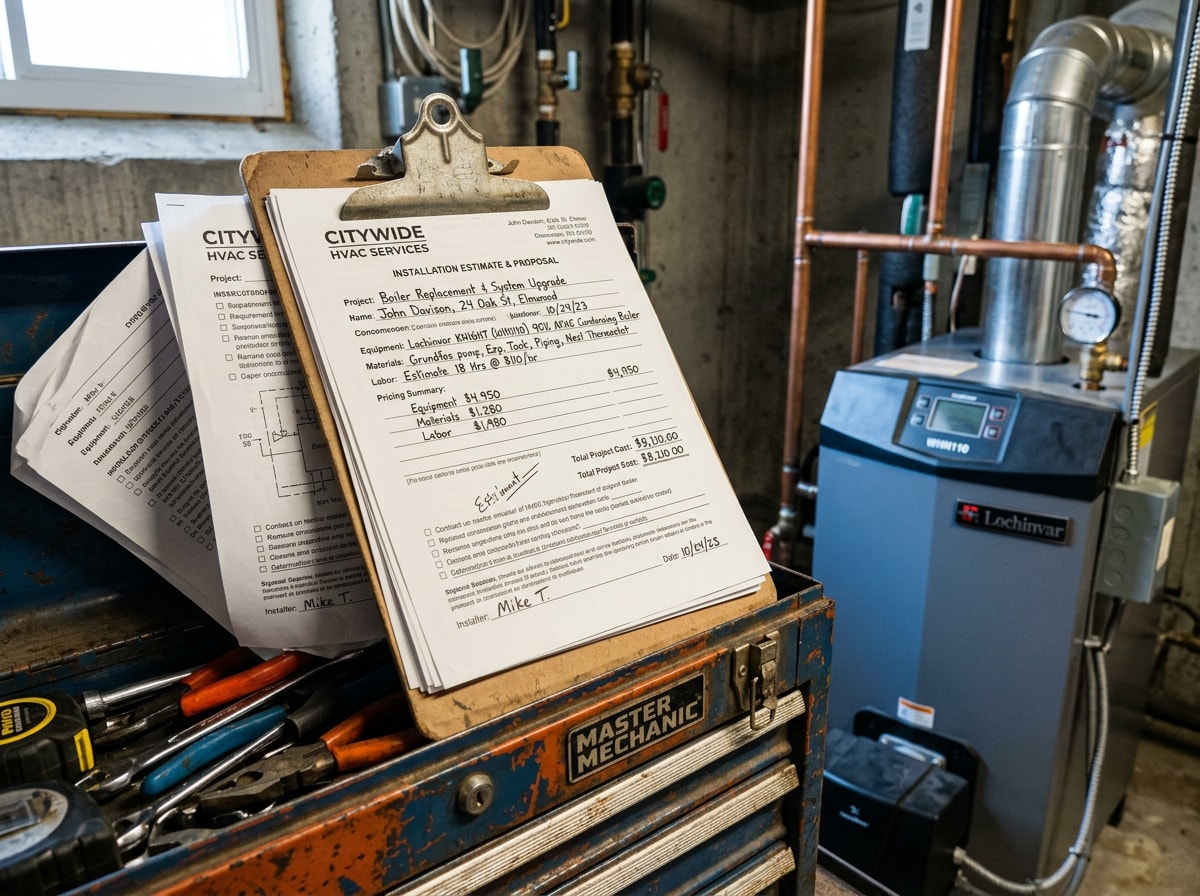
Budgeting is easiest when you know your rough range going in, so you can evaluate quotes against realistic expectations rather than guessing. We also serve nearby areas including Miami, FL if you manage properties outside Homestead. When you're ready, visit the homepage to request a free, no-obligation estimate for your property.
FAQ
How long does it take to replace a boiler?
A standard swap usually takes four to eight hours for a straightforward, same-location replacement. More complex jobs, new venting, relocated piping, or electrical upgrades, can stretch installation time to one or two full days.
What size boiler do I need?
Boiler size is determined by BTU output matched to your home, pool, or hot-water demand, not square footage alone. Sizing depends on factors like insulation, pool volume, and fixture count, so a professional load calculation is far more reliable than estimating from a generic chart.
How much does a boiler cost to run per hour?
Operating cost typically runs a few cents to around a dollar per hour of active use, depending on fuel type and local utility rates. Gas units are generally cheaper to run than electric ones, though actual cost varies by efficiency rating and usage pattern.
Is it cheaper to repair or replace a boiler?
It depends on the repair cost relative to the unit's age and remaining lifespan. As a rule of thumb, if a repair exceeds roughly half the cost of a new installation, replacement is usually the better long-term value, especially for older units.
How long does a boiler last?
Most residential boilers have a useful service life of around 20 years under normal use and regular maintenance. Units pushed well past that mark are more likely to need frequent repairs and run at reduced efficiency.
Do I need a permit to install a boiler in Homestead, FL?
Yes. Homestead falls under Miami-Dade County's mechanical permitting requirements, which apply to boiler installation, replacement, and most repair work. A licensed contractor typically pulls this permit as part of the installation process.