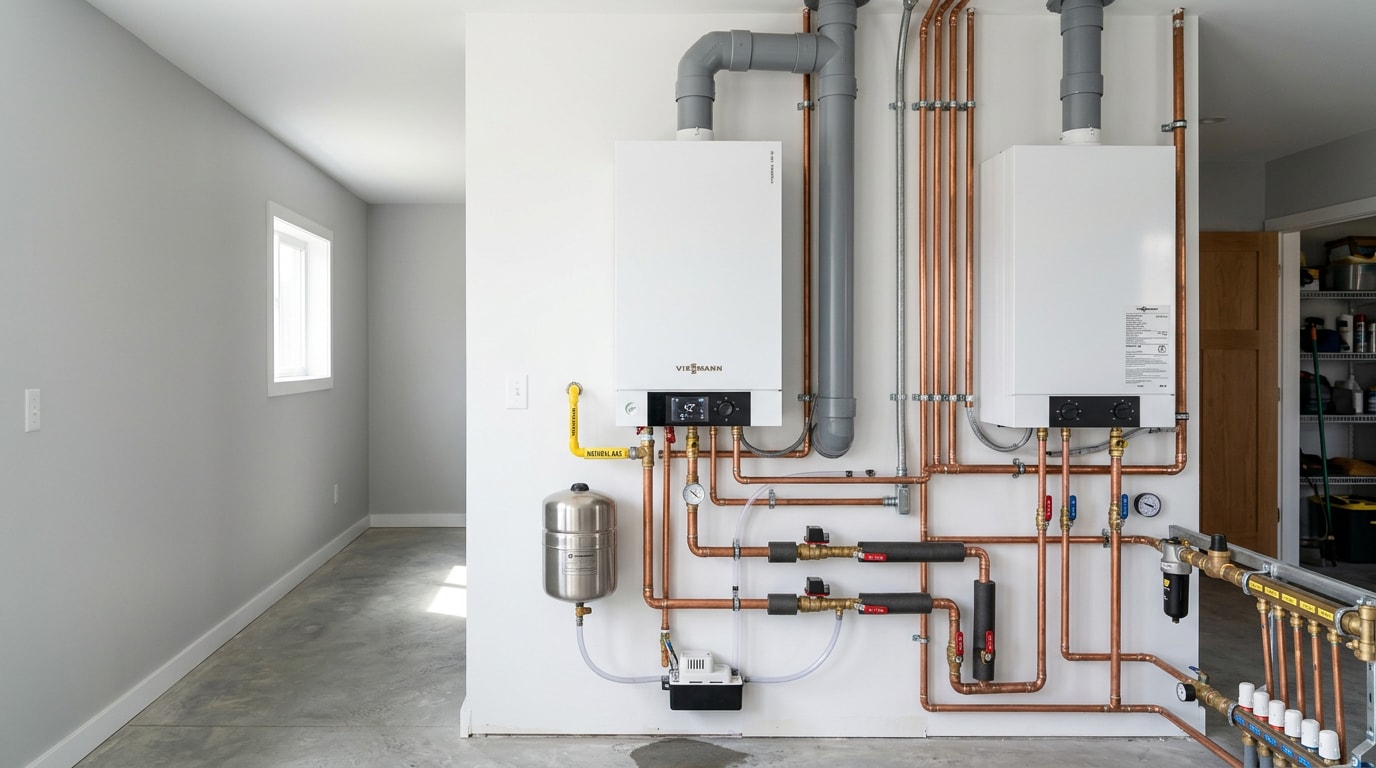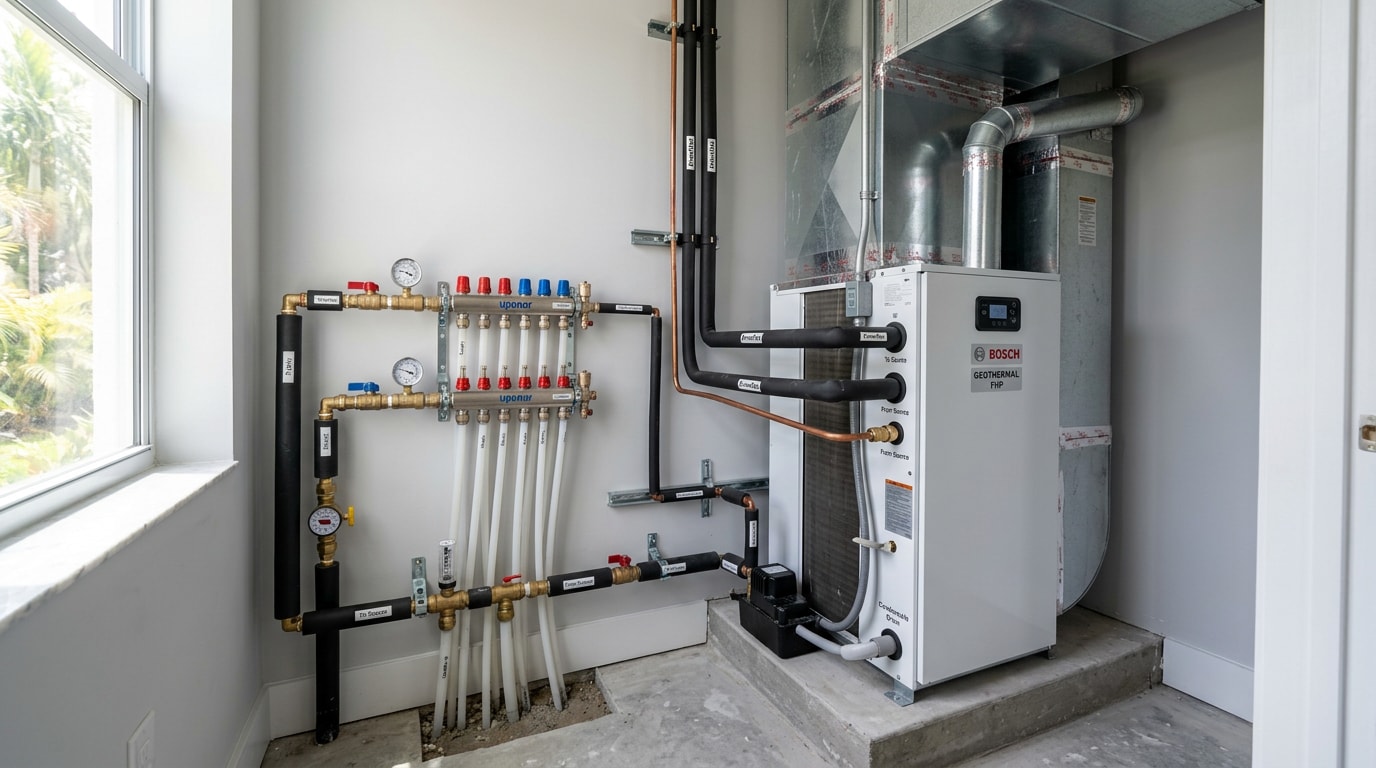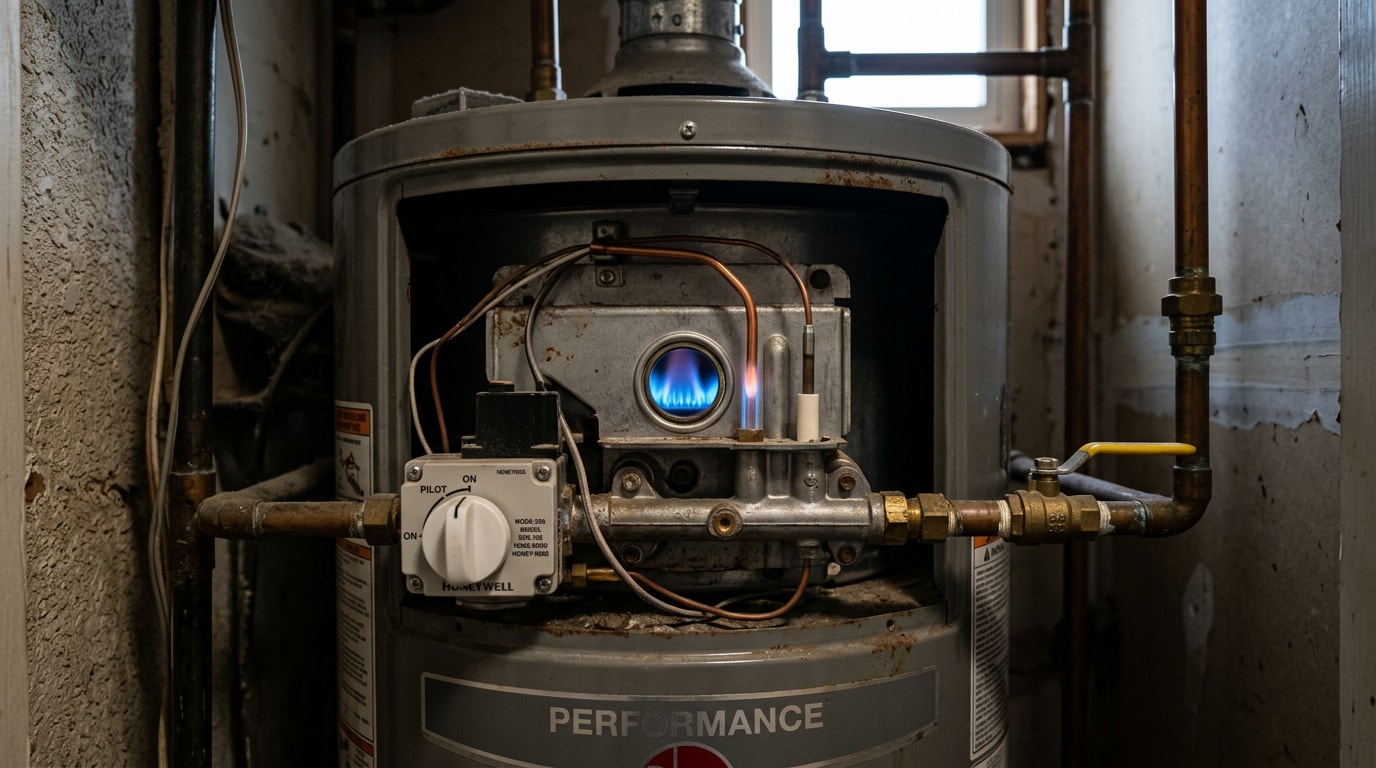
Why does my pilot light keep going out in West Palm Beach, FL homes more than in drier climates? Humidity, tight utility closets, and salt-air corrosion all speed up the wear on the small parts that keep a pilot flame burning. Most outages trace back to one of six causes below, and you can usually spot which one you're dealing with in under five minutes.
Top Reasons Your Pilot Light Keeps Going Out
Here's the short version before we go deep on each cause:
- Worn thermocouple – flame dies the instant you release the reset button
- Clogged pilot tube or orifice – flame is small, weak, or yellow instead of blue
- Drafts or poor ventilation – flame flickers or vanishes near windows, doors, or return vents
- Faulty gas control valve – pilot is hard to light at all, or dies unpredictably
- Not enough combustion air – pilot starves in a sealed, cluttered closet
- Condensation – moisture drips onto the pilot assembly, common with high-efficiency units
Faulty Thermocouple
The thermocouple is a safety sensor positioned next to the pilot flame. It detects whether the flame is lit and signals the gas valve to stay open. When it wears out or bends away from the flame, it reads no heat and shuts off the gas, even though the pilot is burning fine.
There's a simple diagnostic tell: if the pilot light goes out the moment you release the reset button, a failing thermocouple is almost always the explanation. Replacing one is usually inexpensive, but it has to match your specific water heater or furnace model.
Dirty or Clogged Pilot Tube
The pilot tube is the small supply line that feeds gas to the pilot light. If dust or debris partially clogs it, gas flow weakens and the flame becomes too small to properly heat the thermocouple. The thermocouple then reads a false "pilot out" signal and shuts the gas off on its own.
The same symptom shows up when a supply hose or connector feeding the pilot assembly is worn or pinched, since that restricts gas flow the same way a clogged orifice does.
Drafts or Poor Ventilation
A strong draft can blow out a pilot light, especially if the appliance sits near a window, an exterior door, or a return air vent. Downdrafts through the flue can also snuff the flame without any obvious outside wind.
In West Palm Beach, hurricane-season pressure shifts and tightly sealed garage or utility-closet installations make this more common than homeowners expect. Coastal wind patterns push air through gaps that wouldn't be an issue in a drier, calmer climate.
Faulty Gas Control Valve
The valve regulating gas flow to the appliance can malfunction, causing low or inconsistent gas flow that extinguishes the pilot light. This typically calls for a professional trained to repair or replace control valve components rather than a DIY fix.
Watch for a pattern: difficulty lighting the pilot at all, or the pilot lighting but dying the instant you release the control knob. Both point toward the valve itself.
Not Enough Combustion Air
A pilot light won't stay lit if the unit isn't getting enough combustion air. The appliance needs a steady supply of fresh, oxygen-rich air to keep the flame burning; without it, the pilot simply goes out. Clutter stacked around the unit or a sealed closet with no vent can starve it of airflow.
This isn't just a nuisance issue. The National Fuel Gas Code sets minimum safety requirements for the design and installation of fuel gas piping systems in homes and other buildings , including how much combustion air a gas appliance closet needs. If your utility closet was remodeled, resealed, or had a door added since the appliance was installed, it may no longer meet that airflow requirement.
Excess Condensation
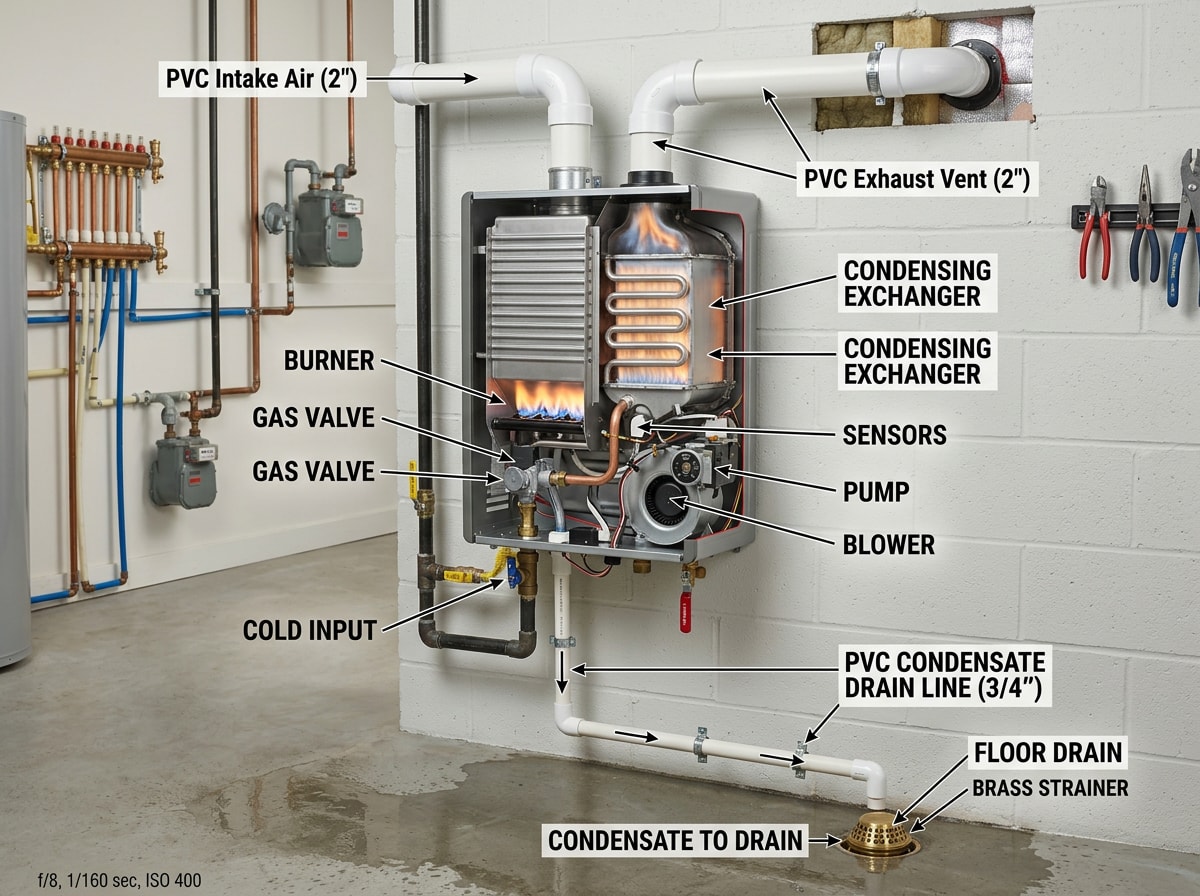
Modern high-efficiency water heaters and furnaces produce more condensation than older standard models, and when that moisture drips into the pilot assembly, it can effectively drown the flame. This is one of the most overlooked causes of repeat pilot outages, and it's one we flag often on service calls in Palm Beach County during the humid summer months.
Condensing and tankless units route exhaust through PVC venting built to handle acidic condensate. Standard atmospheric-vent appliances were never built to manage that moisture load. If one is installed in a humid, poorly ventilated closet, condensation can pool exactly where the pilot sits.
How to Tell Your Pilot Light Is Out
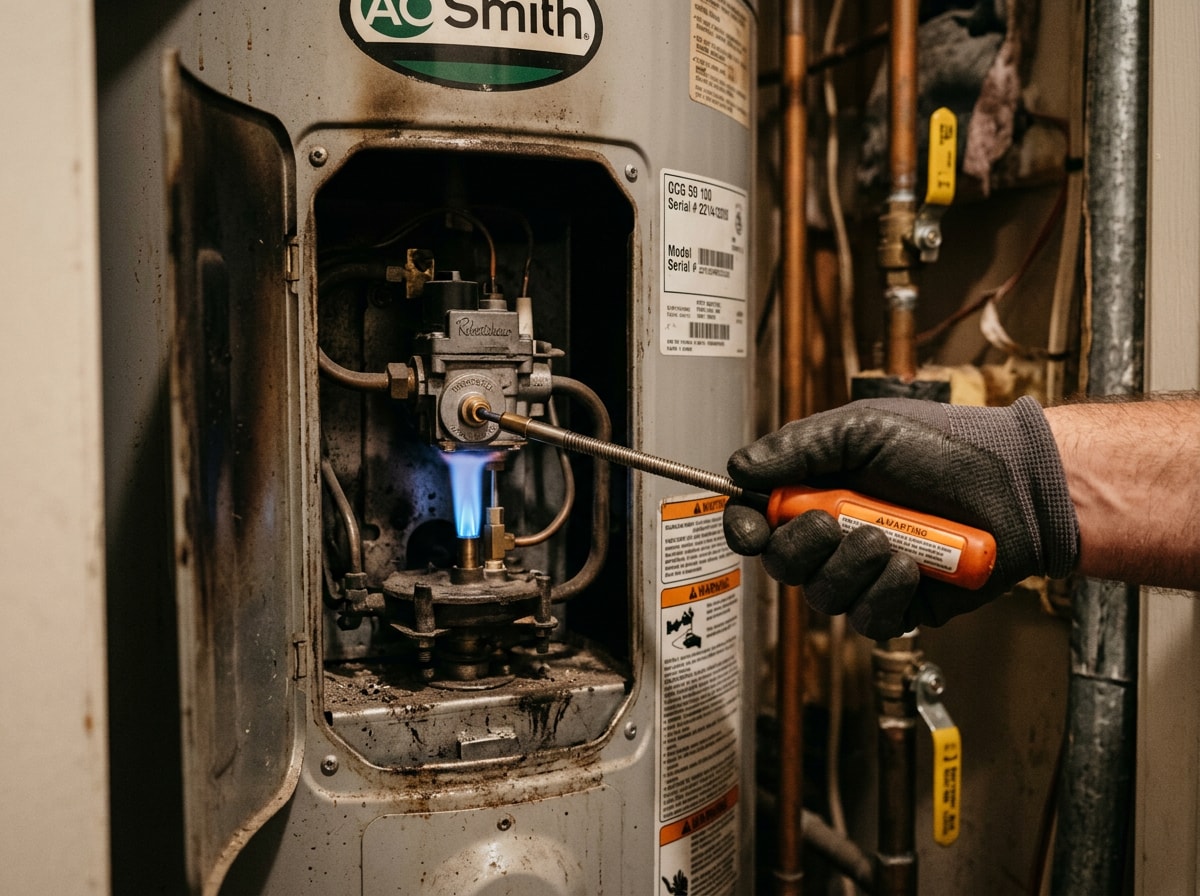
Open the small access panel near the base of the appliance and look through the sight glass for a steady flame. No visible flame, or one that flickers and struggles to stay lit, confirms the pilot has gone out.
Flame color matters just as much as presence. A healthy pilot burns a steady blue flame; yellow, orange, or reddish color usually means dirt, corrosion, or a ventilation issue, and it's a signal to call a licensed technician rather than relight it yourself.
Use this quick table to narrow things down before you call anyone:
| What You See | Likely Cause | Next Step |
|---|---|---|
| Flame dies the instant you release the reset button | Worn thermocouple | Replace thermocouple |
| Flame is small, weak, or yellow | Clogged pilot tube/orifice | Clean or clear the orifice |
| Flame flickers near a door, window, or vent | Draft or poor ventilation | Seal the draft source |
| Pilot won't light at all, or lights and dies erratically | Faulty gas control valve | Professional valve repair/replacement |
| Unit is in a sealed, cluttered closet | Insufficient combustion air | Add venting or clear the space |
| Moisture visible near the pilot assembly | Condensation | Check venting type and drainage |
How to Safely Relight Your Pilot Light
If you smell gas at any point, stop immediately. Do not attempt to light anything, and leave the gas valve off until a professional inspects the unit.
When there's no gas odor:
- Turn the gas control knob to "off" and wait several minutes for any residual gas to clear.
- Follow the lighting instructions printed on the appliance.
- Once the pilot catches, hold the reset button for a full 60 seconds to let the thermocouple register the flame.
- If the pilot goes out the instant you release the knob, that confirms the thermocouple needs replacing.
When to Call a Licensed Technician
Call a licensed technician when the pilot light goes out immediately after releasing the reset button on multiple attempts, or when you suspect low gas pressure or a supply line problem. Both situations go beyond a simple relight.
Age matters too. Water heaters typically last about 10 to 15 years, so if you're getting close to that mark, start researching replacement options . If your unit is well within that window, a repair (usually a thermocouple or gas valve) is the right call. If it's at the end of its service life, replacement is often the smarter investment. Our team handles both through Mechanical System Repair and Mechanical System Installation.
Carbon monoxide is the bigger reason not to guess. Carbon monoxide is an odorless, colorless gas produced when fossil fuel is burnt , and a pilot that keeps failing due to poor combustion or blocked venting can be an early warning sign. The CDC recommends you have your heating system, water heater, and any other gas, oil, or coal burning appliances serviced by a qualified technician every year . If you're boiler-curious or weighing a system upgrade, our Boilers in Miami, FL guide covers how these systems age and what replacement typically involves.
Preventing Repeat Pilot Light Outages
Most pilot light problems are preventable with routine attention:
- Keep the area around the appliance clear of boxes, laundry, and stored items
- Have combustion air openings inspected any time you remodel or reseal a utility closet
- Schedule annual gas appliance maintenance, especially before hurricane season pressure shifts begin
- Replace thermocouples and gas valves proactively once they're near the end of their rated life rather than waiting for a failure
If your system is due for a closer look, get a free estimate and we'll diagnose the actual cause instead of guessing at parts. Homeowners throughout West Palm Beach, FL rely on us for both emergency pilot light calls and planned mechanical system upgrades. You can see our full range of work on the Orange State AC homepage.
FAQ
Why won't my pilot light stay lit?
A worn thermocouple, a clogged pilot tube, or a draft near the appliance are the most common reasons a pilot light won't stay lit. Checking flame color and airflow around the unit helps narrow down which one applies.
Can I relight the pilot light myself?
Yes, if there's no gas odor and you follow the manufacturer's steps carefully. If it goes out again right away, that's a sign to call a professional instead of repeating the relight attempt.
Is it dangerous if my pilot light goes out?
Not usually by itself. The gas valve is designed to shut off automatically when the pilot fails, preventing unburned gas from escaping. But if you smell gas, leave the area immediately and call your gas provider or a licensed technician before doing anything else.
Can a faulty thermocouple cause the pilot light to go out?
Yes. A worn or misaligned thermocouple is one of the most frequent causes of a pilot light that won't stay lit, since it can falsely signal the gas valve to shut off even when the flame is burning fine.
Why does my pilot light go out more often during South Florida's humid months?
High ambient humidity means more moisture enters the combustion chamber to begin with, which worsens condensation-related outages in standard atmospheric-vent units. Hurricane-season pressure changes also increase drafts through flues and sealed utility closets.
What's the difference between a pilot that won't light at all and one that keeps going out after lighting?
A pilot that won't light at all usually points to a closed gas valve, empty propane tank, or wiring issue. A pilot that lights but won't stay lit almost always points to the thermocouple, a clogged orifice, or a draft.
How often should a gas water heater or furnace be professionally inspected?
Annually, at minimum. Routine inspection catches thermocouple wear, pilot tube buildup, and venting issues before they turn into repeat outages or safety hazards.